
Selling your home is rarely just a transaction. It’s the place where you raised your kids, hosted holiday dinners, and built a life. So when your real estate agent suggests “de-personalizing” before listing, it can feel like they’re asking you to erase your memories.
That’s not the goal at all. De-personalizing means creating a space where buyers can picture their own future, rather than feeling like a guest in yours. At our Prescott-based real estate group, we’ve guided countless homeowners through this transition, and we’ve seen firsthand how a few thoughtful changes can transform how buyers respond to a listing.
This guide walks you through exactly what to do, room by room, and how to manage the emotional side of letting go.
Why De-Personalizing Your Home Matters
When buyers walk through a home filled with family portraits, personal collections, and monogrammed décor, something happens psychologically: they start seeing your life instead of imagining their own. That disconnect makes it harder for them to form an emotional attachment to the property, which is often what drives an offer.
Real estate professionals have long observed that neutral, uncluttered spaces sell faster and often for better prices. Buyers need to mentally “move in” during a showing. A living room covered in family vacation photos or a mantle lined with trophies makes that harder. Strip away the personal layer, and buyers focus on what actually matters to their decision: the square footage, the natural light, the flow between rooms.
In Prescott’s competitive market, where buyers are often comparing several homes in a single weekend, first impressions carry real weight. A de-personalized home photographs better, shows better, and leaves a cleaner mental image after the buyer walks out the door.
Your Step-by-Step Guide to Preparing Your Space
Pack Up Personal Photos
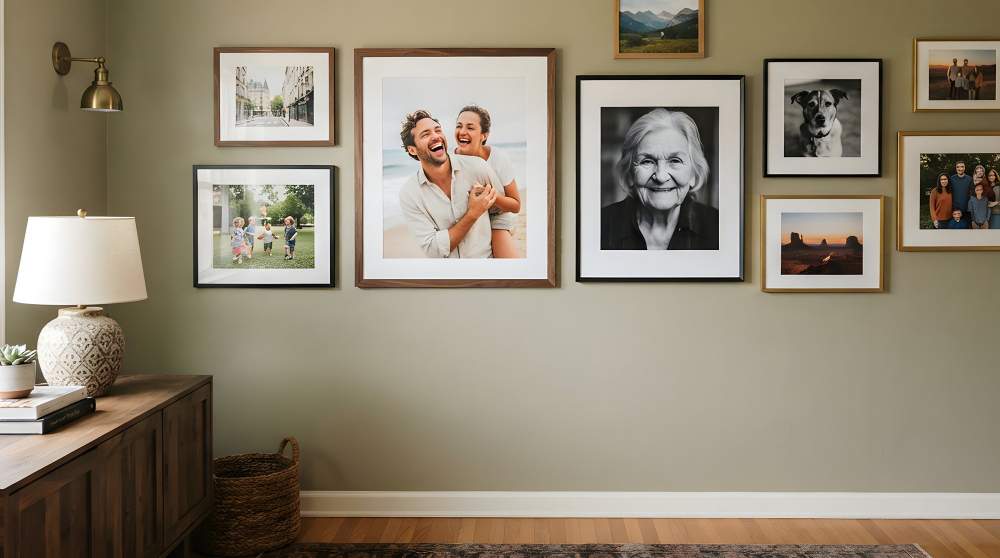
Start with the obvious: family photos, framed portraits, and personal artwork. It’s tempting to leave a few favorites out, but even small reminders of “someone else’s home” can pull a buyer out of imagining their own family there.
Box these items up early. This not only helps with staging; it also gets you a head start on packing for your eventual move. Consider replacing wall art with neutral pieces, or simply leaving walls bare and freshly painted.
Declutter the Heart of the Home (Kitchen)
The kitchen sells houses, and clutter can quietly undercut your asking price. Clear your countertops of small appliances, personal mugs, kids’ artwork on the fridge, and anything that signals “lived in” rather than “move-in ready.”
Open a cabinet or two for a quick self-check. If they’re overflowing, buyers will notice during a showing, even if they don’t say it out loud. A well-edited kitchen, with clean counters and organized cabinets, suggests the whole home has been well cared for.
Streamline Those Closets
Closet space is one of the top features buyers evaluate, and an overstuffed closet makes even a generously sized home feel short on storage. Pack away out-of-season clothing, donate what you no longer need, and aim for closets that look roughly two-thirds full rather than bursting at the seams.
This isn’t just about appearances. Buyers often open closet doors during showings, and a tidy, breathable closet reinforces the sense that the home has ample storage, a detail that matters more than people expect.
Give Your Rooms Room to Breathe
Oversized furniture, excess decor, and crowded layouts can make rooms feel smaller than they actually are. Walk through each room and ask whether the furniture supports easy movement or works against the space.
Removing an extra piece or two, especially in smaller rooms, allows buyers to see the room’s true potential. The goal is a space that feels open, functional, and easy to picture arranging with their own furniture.
Embrace the Emotional Journey
We won’t pretend this process is purely logistical. Packing away photos of your children growing up or clearing out a kitchen where you’ve cooked a thousand meals can bring up real emotion. That’s completely normal, and we see it with nearly every homeowner we work with.
One way to ease the transition is to reframe what you’re doing. You’re not erasing your memories; you’re creating space for someone else to begin building theirs. Many of our clients find it helpful to take photos of sentimental spaces before packing them away, preserving the memory while still preparing the house for its next chapter.
Give yourself grace during this process. It’s okay to take breaks, to linger over a box of old photographs, or to feel a wave of nostalgia while clearing out a closet. Selling a home is a milestone, and it deserves to be treated as one.
Ready to List Your Prescott Home?
Depersonalizing your home is one of the most effective, low-cost ways to prepare it for the market, and you don’t have to figure it out alone. Our team has helped Prescott homeowners navigate every step of this process, from the first box packed to the final signature at closing.
If you’re thinking about selling and want guidance tailored to your home and timeline, call us at (928) 775-0400. We’d love to help you get started.